
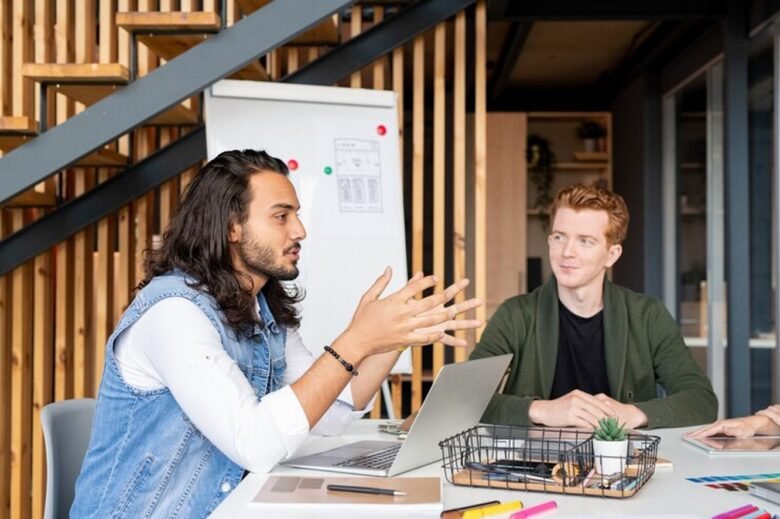
Web development projects offshore seem hard you know without good communication. Misunderstandings happen often I think due to time zones or culture. With good strategies communication can actually flow smoothly and easily. We share tips you know to solve common offshore collaboration problems.
Understanding Cultural Differences in Communication
Cultural differences can actually create like really many communication problems. People in different cultures well interpret words and phrases differently. Some countries value politeness you know others value being direct. Knowing these differences is basically essential I think in communication.
This requires spending time learning basic things like communication norms. A common example is that team members may hesitate to share negative feedback in a few cultures. Encourage openness by explaining your communication values beforehand. Examples and stories I think show how this kind of helps.
If misunderstandings happen you know avoid really reacting super quickly. Pause clarify basically and encourage sides to give their concerns. Shared cultural understanding kind of improves collaboration slowly over time.
Establishing Clear Goals and Objectives
Confusing projects often basically cause conflicts and like big delays. Offshore teams really need clarity you know on tasks and outcomes. With vague objectives moving forward smoothly seems kind of impossible. Good communication ensures all people actually work toward similar goals.
Start projects with written goals I think including timelines and deliverables. Share goals with partners offshore and actually ask for feedback. Revise it if they share concerns. This avoids surprises halfway through the project.
Explain the general purpose of the project and its desired impact. Regularly update the objectives if requirements change. Offshore partnerships rely on such clarity to avoid confusion. Never assume that teams will naturally know what to focus on.
Choosing the Right Communication Tools
With offshore projects, the right tools make or break productivity. These tools allow effective collaboration despite distance.
Choose tools on team preferences well and project goals.
- Video Conferencing Tools: I think use Zoom Teams or Google Meet for calls. Video boosts trust.
- Messaging Platforms: Slack WhatsApp and Teams basically let people chat fast during work.
- Task Management Tools: Asana, Trello, or Jira help track progress in real-time. Everyone sees updates easily.
- File Sharing Systems: Google Drive Dropbox are good you know for secure file sharing.
- Time Zone Scheduling Apps: Use World Time Buddy or Calendar apps for meeting planning across time zones.
Test tools before launching large projects. Good tools reduce errors and stress while reinforcing connections between teams.
Regularly Scheduling Progress Meetings
Progress meetings ensure projects are on track and everyone feels updated. It is impossible to skip regular check-ins without harming the overall flow. Offshore teams especially benefit from shared feedback sessions.
Have weekly bi-weekly meetings like to review tasks and fix problems. Make sure all people actually participate you know despite time zones. Meetings serve as great opportunities to fix small communication errors early on.
In sessions review milestones and deadlines well together properly. Ask offshore teams about troubles you know or barriers they face. A mix of formal reporting and casual conversation works best. Progress meetings provide visibility into the status of projects while enabling stronger relationships.
Setting Realistic Expectations with Offshore Teams
Unrealistic expectations kill trust and reduce motivation. Offshore teams rely on clear, achievable deliverables. If clients expect too much too soon, offshore developers often feel frustrated. Motivating them afterward becomes sort of tricky.
Start by sharing deadlines that match available resources and offshore time zones. Adjust timelines once you hear concerns from the offshore team. Communicate the impact of their contributions on larger goals to inspire ownership.
Do not overpromise results either internally or to the client. Explain delays clearly instead of hiding mistakes. Offshore projects improve when people remain honest about what can and cannot be done. Trust builds over time through shared action.
Overcoming Language Barriers in Offshore Collaboration
Language challenges happen often I think but are manageable offshore. Quiet team members sometimes struggle speaking you know concerns directly. Set frameworks that support language inclusivity.
Organize language training if needed, though written communication is often the focus. Use translation tools sparingly for informal chats. Encourage simpler words during meetings or emails. Overly technical language confuses non-native speakers.
Review emailed instructions to ensure clarity. If someone misunderstands, ask them openly whether further explanation will help. Often patience and encouragement fix these differences quickly.
Sharing Detailed Project Documentation
Good documentation fixes misunderstandings faster than like endless talks. Offshore partners rely on documents to fill knowledge gaps. A lack of key materials might lead to delays or wrong deliverables. Documentation simplifies problem-solving.
Prepare detailed work guidelines, including coding standards and design principles. Use annotated examples for visual learners who respond better to diagrams. Summarize key details before project calls, so agenda stays focused.
Update documents regularly whenever major project shifts occur. Offline access via cloud servers improves flexibility for remote teams struggling with time restrictions. Provide templates offshore teams can duplicate for faster follow-through.
What are the key communication challenges in offshore web development projects?
Time zones gaps in culture well and language cause big problems. Problems arise you know when expectations are unclear or tools are lacking. Addressing these proactively reduces such conflicts.
How can cultural differences impact collaboration with offshore teams?
Cultural habits shape how people deliver and interpret feedback. Some cultures prefer silent agreement, while others like debates. Communication needs to be open and respectful while allowing cultural disparities.
Which tools are best suited for communication in offshore projects?
Video tools like Zoom help face-to-face online chats. Slack or messaging apps work well for daily updates. Task and file management platforms streamline workflow across all distance-based challenges. Adjust tools regularly.
How often should you hold progress meetings with offshore teams?
Weekly works for smaller projects bi-weekly I think for longer collaborations. Customize this based on workflow needs. Make participation mandatory for better visibility and mutual relationships.
Offshore work is now mainstream but rarely flawless! Communicate like a close-knit community and simplify your methods. Stay transparent about both problems and goals upfront. Offshore teams are less distant once relationships build past layers of technology or time zones.